
Jednotlivé planéty a vesmír po anglicky: ako preložiť Merkúr, Venuša, Mesiac, asteroid, meteorit či galaxiu? Kompletná vesmírna slovná zásoba.
| solar system | /’səʊlər ‚sɪstəm/ | slnečná sústava B2 |
| sun, Sun | /sʌn/ | slnko, Slnko A1 |
| Milky Way | /ˌmɪlki ‚weɪ/ | Mliečna cesta C1 |
| planet | /plænɪt/ | planéta A2 |
| galaxy | /ˈɡæləksi/ | galaxia B2 |
| Moon, moon | /muːn/ | Mesiac, mesiac A2 |
| space | /speɪs/ | vesmír A1 |
| universe | /ˈjuːnɪvɜːrs/ | vesmír B2 |
| star | /stɑːr/ | hviezda A1 |
| astronaut | /æstrənɔːt/ | astronaut B1 |
What is the solar system?
It consists of the Sun, the planets, their moons, and other objects that orbit the Sun, such as meteoroids, dwarf planets, and comets.
Planéty:
| Mercury | /mɜ:rkjəri/ | Merkúr B2 |
| Venus | /vi:nəs/ | Venuša B2 |
| Earth, earth | /ɜ:rθ/ | Zem, zem A2 |
| Mars | /mɑ:z/ | Mars B1 |
| Jupiter | /ʤu:pɪtər/ | Jupiter B2 |
| Saturn | /sætɜ:rn/ | Saturn B2 |
| Uranus | /jʊərənəs/ | Urán B2 |
| Neptune | /neptju:n/ | Neptún B2 |
| Pluto* | /pluːtəʊ/ | Pluto B2 |
*Aj keď už Pluto nie je oficiálna planéta, je zaradený do tabuľky kvôli tomu, že je veľmi známy.
Asteroidy, meteority, kométy a ďalšie objekty:
| asteroid | /æstərɔɪd/ | asteroid B2 |
| meteorite | /mi:tiəraɪt/ | meteorit C1 |
| meteor | /mi:tiər/ | meteor C1 |
| meteoroid | /mi:tiərɔɪd/ | meteoroid C2 |
| comet | /kɒmɪt/ | kométa C1 |
| black hole | /ˌblæk ˈhəʊl/ | čierna diera C1 |
| Big Bang | /ˌbɪɡ ˈbæŋ/ | Veľký tresk C1 |
| satellite | /sætəlaɪt/ | satelit vo vesmíre B2 |
| space station | /ˈspeɪs steɪʃn/ | vesmírna stanica B2 |
| spacecraft | /ˈspeɪskrɑːft/, US /ˈspeɪskræft/ | vesmírna loď B2 |
Moon vs moon, Sun vs sun
Sun, Moon, Earth sa používajú s veľkými písmenami, ak o nich hovoríme vo vesmírnom kontexte. Napr. Zem a jej Mesiac. Zem obieha okolo Slnka. S malým písmenom sun, moon, earth sa používajú v bežnom rozprávaní. Kráčam po zemi, na oblohe je mesiac, slnko v noci nesvieti.
Slnko a mesiac sa obvykle používajú s členom the, zem môže byť s/bez člena: the Sun, the Moon, the Earth, Earth.
Meteor, meteorite, meteoroid
Meteor: a meteor is a light in the sky caused by a burning meteoroid (meteor je to svetlo, ktoré ostáva po meteoroide).
Meteoroid: „a space rock“. They are small pieces of rock or metal in space (malé útvary vo vesmíre).
Meteorite: meteorites are small objects from space that hit Earth (keď meteoroid prekročí atmosféru Zeme, stáva sa z neho meteorit).
Sun
The Sun is the centre of our solar system and our only star. However, it is not the only star in the Milky Way galaxy. Why is the Sun essential for us? It is the source of the heat, light and energy for life on Earth. It consists of hydrogen and helium. If you look up at the sky during the day, the Sun will be the brightest and largest object.
Preklad
Slnko je stred našej slnečnej sústavy a naša jediná hviezda. Avšak nie v galaxii Mliečna dráha. Prečo je pre nás Slnko dôležité? Je to zdroj tepla, svetla a energie pre život na Zemi. Skladá sa z vodíka a hélia. Ak sa pozriete hore na oblohu cez deň, Slnko bude tým najjasnejším objektom.
Mercury, Venus
One fascinating fact about Venus is that a day on Venus is longer than its year. In some ways, Venus is similar to Earth. But it is much hotter than Earth, and its atmosphere is poisonous.
Mercury is the smallest planet and the closest one to the Sun. During the day, the temperature on Mercury can rise to 450 degrees Celsius, while at night, it can drop to minus 170 degrees Celsius. Due to these extreme temperature swings, life on Mercury is not possible.
Preklad
Merkúr je najmenšia a k Slnku najbližšia planéta. Cez deň môže teplota na Merkúre vzrásť na 450 stupňov, kým počas noci môže klesnúť až na mínus 170 stupňov. Kvôli týmto extrémnym teplotným výkyvom nie je život na Merkúre možný.
O Venuši môžeme vymenovať veľa zaujímavých faktov, ako to, že je deň na nej dlhší než jej rok. Z jedného uhla pohľadu je Venuša podobná našej Zemi. Ale je o mnoho horúcejšia a jej atmosféra je jedovatá.
Earth, Mars
On the other hand, Earth is perfect for life. Our planet, the third from the Sun, is around 4.5 billion years old. It is the only planet with liquid water on the surface. Its atmosphere is primarily composed of nitrogen and oxygen, with trace amounts of argon and carbon dioxide. Earth provides optimal conditions for life, and that is why it is the only planet where humans can live. The ideal conditions for supporting life include the presence of a breathable atmosphere, access to drinking water, a stable temperature range, an existing magnetic field, an appropriate distance from the Sun, and other contributing factors.
Mars, The Red Planet, is only half the size of Earth. The weather is cold, up to minus 140 degrees Celsius. As we know, there is water in the form of ice at its poles and possibly other frozen areas. Mars has two moons – Phobos and Deimos.
Preklad
Na druhej strane, Zem je pre život perfektná. Naša planéta, tretia od Slnka, je približne 4,5 miliardy rokov stará. Je to jediná planéta s tečúcou vodou na povrchu. Jej atmosféra sa skladá hlavne z dusíka a kyslíka, so stopovým množstvom argónu a oxidu uhličitého. Zem poskytuje optimálne podmienky pre život, a preto je to jediná planéta, kde môžu ľudia žiť. Ideálne podmienky na život predstavujú prítomnosť dýchateľnej atmosféry, prístup k pitnej vode, stabilné teploty, existujúce magnetické pole, akurátnu vzdialenosť od Slnka a ďalšie prispievajúce faktory.
Mars, Červená planéta, má iba polovičnú veľkosť Zeme. Počasie je chladné, až do mínus 140 stupňov Celzia. Ako vieme, na jeho póloch sa nachádza voda vo forme ľadu a možné ďalšie zamrznuté plochy. Mars má dva mesiace – Phobos a Deimos.
Gas giants
Now let’s focus on the so-called gas giants. One of them is named Jupiter. It is the fifth planet from the Sun and the largest of all. So many moons orbit around Jupiter, for example, Io, Europa and Callisto. Just as a matter of interest, Jupiter has the largest ocean in the solar system, but it consists of liquid hydrogen, not water.
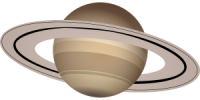
Saturn is the second-largest planet. It is another gas giant consisting of helium and hydrogen. Saturn’s rings are well-known all over the world. Like Jupiter, Saturn has many moons too.
The seventh planet from the Sun is Uranus. It is often called an ice giant. The dominant colour of its surface is blue (and slightly green) due to methane in its atmosphere. Uranus also has rings, but they are much fainter than the rings of other gas giants.
The last planet, the ice and gas giant, is called Neptune. Neptune also has rings. Like Uranus, Neptune is blue due to methane in the atmosphere.
Preklad
Teraz sa zameriame na tzv. plynných obrov. Jeden z nich je Jupiter. Je to piata planéta od Slnka a najväčšia zo všetkých. Obieha okolo neho množstvo mesiacov, napríklad, Io, Európa a Callisto. Pre zaujímavosť, Jupiter má najväčší oceán v slnečnej sústave, ale je tvorený tekutým vodíkom, nie vodou.
Saturn je druhá najväčšia planéta. Je to ďalší plynný obor pozostávajúci z hélia a vodíka. Saturnove prstence sú dobre známe po celom svete. Ako Jupiter, aj Saturn má veľa mesiacov.
Siedmou planétou je Urán. Často je nazývaný ľadovým obrom. Prevládajúca farba jeho povrchu je modrá (a trochu zelená) kvôli metánu v jeho atmosfére. Aj Urán má prstence, no sú oveľa tenšie ako prstence ostatných plynných obrov.
Posledná planéta, ľadový a plynný obor, je Neptún. Neptún má tiež prstence. Ako Urán aj Neptún je modrý kvôli metánu v atmosfére.
Moon
The Moon, our natural satellite, has a rough surface with numerous craters. It reflects the light from the Sun. The gravity of the Moon is much weaker than that of Earth. The Moon takes 27 days to complete one orbit around Earth.
Finally, we briefly mention asteroids. They are small objects or planets with irregular shapes that orbit the Sun.
Preklad
Mesiac, náš prirodzený satelit, má drsný povrch s mnohými krátermi. Odráža svetlo zo Slnka. Gravitácia je na Mesiaci omnoho slabšia než na Zemi. Obehnúť okolo svojej dráhy mu trvá 27 dní.
Napokon v krátkosti spomenieme asteroidy. Sú to malé objekty alebo planétky s nepravidelným tvarom, ktoré obiehajú okolo Slnka.
Pokračujte v čítaní